© Osengwa LLC. 2021 All Rights Reserved.

From Art X to End-of-Year Euphoria: Lagos Art Season and the Road to “Detty December”
By Gloria Adegboye
As Lagos stretches into itself in the last months of the year. The city becomes busier, brighter and a little louder. One day there’s an exhibition in Ikoyi, the next there’s an open studio in Surulere, then another exhibition in Victoria Island. Nothing happens in isolation. Each event pulls people across the board into galleries, into conversations, and into the kind of movement that keeps the city’s creative blood warm.
The art season isn’t random. It’s a deliberate rhythm where galleries time their openings, fairs plan around each other, and festivals build momentum as the year closes. Together, they draw collectors, tourists, and returning Nigerians, and all that movement feeds the economy. Hotels fill up. Short-let prices rise. Restaurants stay busy on weeknights. Photographers, caterers, drivers, printers, beauty artists and small vendors earn more in these months. Art might be the attraction, but the ripple touches almost everyone.
This seasonal build-up naturally flows into “Detty December”. What used to be a few concerts has grown into a full economic cycle where flights into Lagos spike, event organizers hire aggressively, and hospitality businesses record some of their highest yearly earnings. Rents in certain areas jump as people rush for temporary accommodation. And the cultural calendar plays a real part in that acceleration.
Below, I sketch the key events that shape Lagos’ art season and the ways they push energy and spending into the city right up until “Detty December” officially begins. It’s a look at how culture moves through Lagos as entertainment, work, opportunity, and value.
A Quick Map of the Season

1. Lagos Street Art Festival
This December, the Lagos Street Art Festival transforms the city into a living canvas. From December 4th to 15th, over 20 local and international artists will turn walls, corners, and public spaces into vibrant stories.
Lagos Street Art Festival
This December, the Lagos Street Art Festival transforms the city into a living canvas. From December 4th to 15th, over 20 local and international artists will turn walls, corners, and public spaces into vibrant stories through murals, pop-ups, workshops, and community projects that bring art directly to the people.
At its core, the festival is built on the belief that art should live where people live. Not just behind gallery doors or locked away for collectors, but present in the streets, markets, schools, and neighborhoods that shape daily life. By bringing creativity into public spaces, the festival turns Lagos into an open museum, giving everyone access to inspiration.
Public art does more than beautify; it reshapes how a city sees itself. It sparks pride, builds identity, and creates cultural ownership. Economically, it drives visitors, foot traffic, and business around festival sites, deepening both Lagos’ global creative and economic presence.
Some of the artists leading this vision are Osa Seven, Adaora Lumina, Phisha, Ottograph Amsterdam, Mr. Waduud, Fiyin Koko, Moh Awudu and many others, including young child Feyikemi Popoola. Through their work and leadership, the festival supports young artists with visibility, infrastructure, and real opportunities.
As Phisha says, “When young people see creativity in their environment, they start seeing possibility in themselves.” Osa Seven adds, “Public spaces should inspire the way people experience their world.”
This festival is a celebration of culture, community, and the power of art to open doors beyond what just meets the eye.

2. Gallery Exhibitions & Open Studios
Lagos’ gallery ecosystem has grown steadily over the last decade, and its November – December calendar is now one of its busiest. These exhibitions act as the connective tissue between the large fairs.
Gallery Exhibitions & Open Studios
Lagos’ gallery ecosystem has grown steadily over the last decade, and its November – December calendar is now one of its busiest. These exhibitions act as the connective tissue between the large fairs. You get to experience intimate conversations and some neighbourhood-level interactions. They create a rhythm that fills the quiet days between major festivals. It’s the part of art season that feels closest to the ground: heartfelt conversations at opening shows and at different points of the course of the exhibitions, friends texting each other “come if you’re around” as they hop between shows, and, the season is packed, each show has its own gravity:
• Womb to Street at Soto Gallery (November 5th – December 8th):
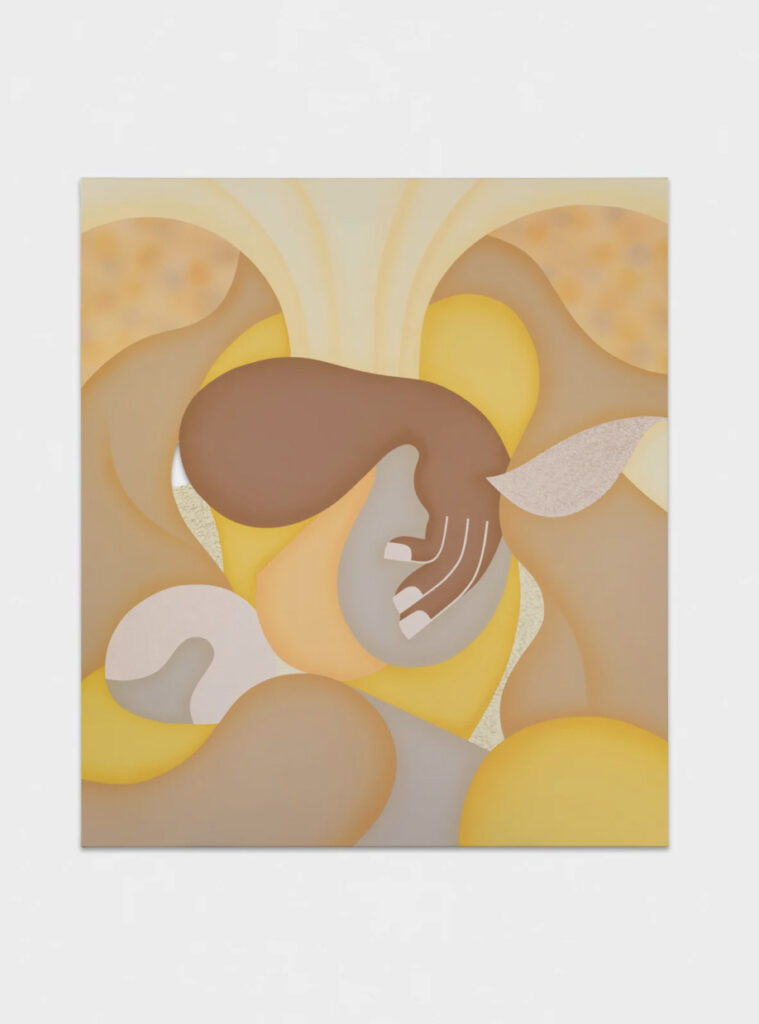
In Womb to Street, at Soto Gallery, Demola Ogunajo extends his exploration of belief, identity, and the quiet rituals that shape everyday life. Drawing from urban heritage and Christian symbolism, he blurs the line between the sacred and the familiar, embedding spirituality in the textures and colours of contemporary Lagos life. The works question where faith belongs and suggest new ways of seeing it, opening a contemplative space where viewers encounter both the intimate and the transcendent in unexpected forms.
Art in Focus (2009) by Demola Ogunajo (Image Courtesy of the Soto Gallery)
• The Osogbo Group Show at Kó Art Space (November 6th – January 10th):
Osogbo exhibition revisits one of Nigeria’s most influential artistic movements with a clarity that feels both historic and freshly relevant. The show traces the rise of the Osogbo Art School in the early 1960s, a moment when post-independence confidence met indigenous imagination, giving birth to a visual language that was unapologetically Nigerian and remarkably modern. Bringing together works by Jacob Afolabi, Asiru Olatunde, Georgina Beier, Jimoh Buraimoh, Adebisi Fabunmi, Rufus Ogundele, Nike Davies-Okundaye, Muraina Oyelami, Twins Seven-Seven, and Susanne Wenger, the exhibition offers a rare, cohesive view of a movement that shaped generations. It feels like stepping into a living timeline and it is a reminder of how boldly the Osogbo artists fused myth, craft, spirituality, and everyday life, and how their influence still ripples across Nigeria’s contemporary art scene today.
• Two shows by Leonard Iheagwam, “Soldier” — Nourishment at The Nahous (November 7th – December 7th) and Mimesis at Windsor Gallery (November 12th – December 12th):
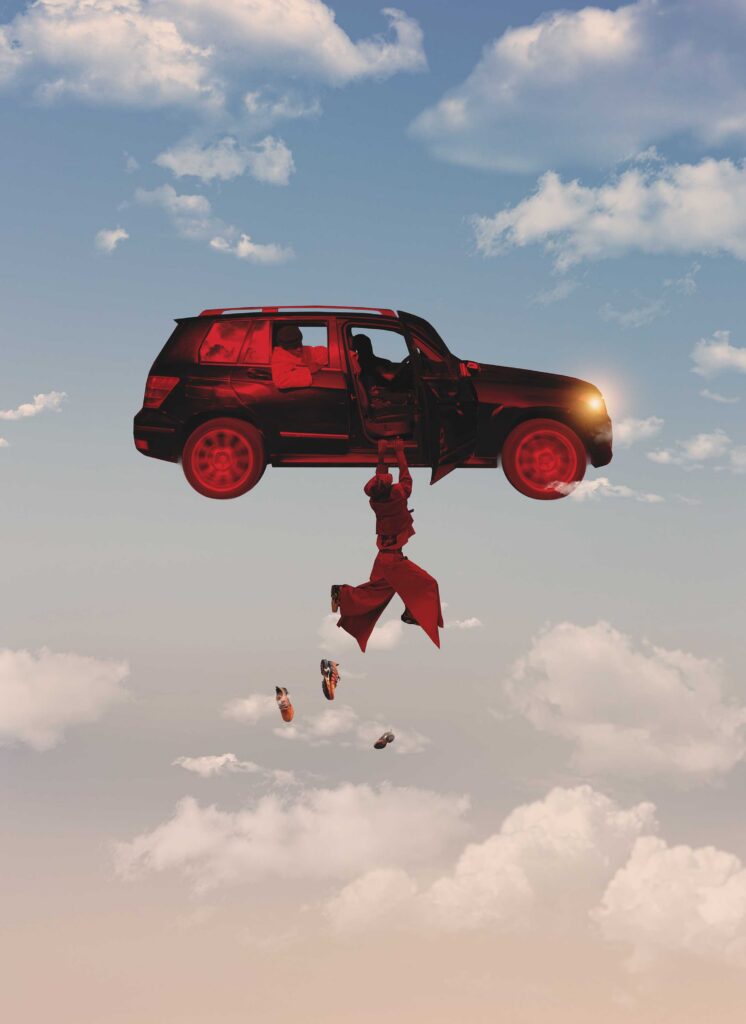
Leonard’s presence this season feels like the axis around which two very different, but deeply connected, exhibitions turn. At the Nahous from November 7th to December 7th, Nourishment opens like a cultural archive laid out on a table. Created in partnership with the Nahous and Teezee, the show explores food as memory. Through installations, paintings, archival materials and sound, Iheagwam reframes packaging and pricing as markers of history, pulling the viewer into a conversation about resilience and the objects that mark Nigerian life. The Nahous becomes a kind of cultural kitchen, where tins and cubes are reimagined as artifacts of identity. Then, beginning November 12th through December 12th at Windsor Gallery, Mimesis shifts the inquiry inward.
Here, Iheagwam works with fragility: ink transfers, blurs, erasures, to explore imitation as a form of remembering. The images feel like something retrieved from the edge of forgetting: lifted, distorted, and softened into residue. Instead of perfect replication, Mimesis offers the ghost of an image, suggesting that memory is always part disappearance, part reconstruction. Together, the two shows feel like parallel studies of how we record, endure, and reimagine our world through what we eat, preserve, and remember.
The Nourishment Exhibition by Leonard Iheagwam (Image Courtesy of The Nahous)
• The Grid Collection by Osima at Studio Mono (November 21st – 28th):
Osima’s debut solo exhibition, The Grid Collection, reimagines the grid as more than a design device, turning it into a framework for rhythm, and narrative. Drawing from editorial layouts, poster compositions, and core design principles, her works explore the tension between structure and freedom. Curated by Dara Shonubi and presented with Lumora Reps, both deeply committed to championing young, next-generation artists, the show transforms precision into feeling, revealing how order can hold story, imagination, and lived experience.

The Grid Collection Exhibition by Osima at Studio Mono (Image Courtesy of Dara Shonubi)
• An Owambe Exhibition by Uzo Njoku (November 22nd – January 24th):
Uzo Njoku’s Owambe Exhibition marks her first solo show in Nigeria, and it feels like a true homecoming. Known for her rich palettes and patterned worlds, Uzo turns Lagos social life into something both familiar and newly animated: the joy and the coded language of gatherings. But what sets this exhibition apart is its structure. Rather than opening the doors and leaving the work to speak alone, Uzo stretches the show across nine themed weeks, turning it into a living program of community, culture, teaching, storytelling, and celebration. Here’s how it unfolds: From November 27th, a 25-seat ticketed Adire workshop opens the program, followed on December 4th by a free storytelling series for children where actors animate African folklore through movement and textile-inspired visuals. December 11th brings a one-night, 40-ticket jazz session reinterpreting Owambe classics and Lagos highlife inside the gallery. On December 16th, the space becomes a stage for a free poetry and spoken-word evening. On December 27th, high school and university students join a free limited-capacity pattern-making workshop, while January 3rd opens a free adult session on pattern design and the business of art. January 8th features a free live-recorded artist talk, followed on January 15th by a ticketed collaboration where two Lagos designers reimagine Uzo’s fabrics into fashion, shown on live models with a panel discussion. The program closes on January 22nd with a free celebration of the exhibition’s art book release which will be a collectible moment of Lagos cultural history.

3. Theatre Shows at Freedom Park
While the galleries carry visual art, Freedom Park holds the heartbeat of performance. Late November turns the park into a small cultural village: lights strung overhead, the open-air stage glowing at night, people drifting in with shawls.
Gallery Exhibitions & Open Studios
While the galleries carry visual art, Freedom Park holds the heartbeat of performance. Late November turns the park into a small cultural village: lights strung overhead, the open-air stage glowing at night, people drifting in with shawls and bottles of water.
The lineup:
- Dear Diary… on November 21st: Dear Diary follows Eunice as she stands at the familiar crossroads between the life she imagined and the one she’s living. A one-woman performance told with rawness and plain simpleties, it moves through reflection, regret, and the small courage it takes to turn toward a new version of yourself.
- A One Man Play, adapted from Chris Iheuwa’s Second Thoughts, on November 22nd & 23rd: Adapted from Chris Iheuwa’s Second Thoughts, this one-man performance is a sharp, moving portrait of migration and ambition. Blending humour and vulnerability, it follows one man’s attempt to reconcile who he hoped to be with who the world will allow him to become.
- tHERapy by Oladotun Olagbadebo on November 22nd & 23rd: tHERapy unfolds as an intimate confession: a woman navigating love, silence, family, and the weight of survival in a society that demands so much of her. Through Deola’s voice, the play traces heartbreak, gendered violence, resilience, and the fragile strength of being seen. It’s a one-woman performance that beckons on the audience to really listen.
- The Last Page Musicale, a Civil War love story, on November 23rd: Set against the Biafra War, The Last Page tells the story of Bimpe and Obinna, two lovers separated by conflict, distance, and the uncertainty of survival. What begins as a simple promise becomes a test of devotion in a country torn apart by war. The musical blends history with emotion, asking what remains of love when war redraws every line.
Each show attracts a slightly different audience, but they all end the same way, with crowds lingering outside after the final bow, discussing favourite scenes, taking photos, buying snacks, or just enjoying the atmosphere of the park. Theatre in Lagos always feels communal, and during art season, that peaks.
A Poster of the Dear Diary Play (Image Courtesy of the Dear Diary Stage Play)

A Poster of the tHERapy Play (Image Courtesy of the tHERapy Stage Play)

4. Art X Lagos
In ten years, Art X Lagos has grown into West Africa’s most influential art fair, a catalyst that reshaped how African art is seen at home and abroad.
Gallery Exhibitions & Open Studios
In ten years, Art X Lagos has grown into West Africa’s most influential art fair, a catalyst that reshaped how African art is seen at home and abroad. Founded in 2016 by Tokini Peterside-Schwebig, the fair began with a clear goal: to give African artists a world-class platform on African soil and shift how the world imagines the continent. It worked. Today, Art X draws visitors from over 170 countries, brings global institutions like the Tate and the Smithsonian to Lagos, and anchors a full citywide Art Week that didn’t exist before the fair showed what was possible.
This year marked the tenth anniversary, 10X, and the fair responded with its most expansive edition yet. Spread across four venues at Federal Palace, it carried a theme that felt both urgent and hopeful: “Imagining Otherwise, No Matter the Tide.” Artists, curators, policymakers, and cultural workers gathered to ask a real question: How do we build better urban futures in the middle of uncertainty? Between the expanded Art X Talks, the Development Forum, and the programming, the fair felt like both an art market and a civic conversation that merged naturally with entertainment.
Art X Live! pulsed with music and visual performance by the Cavemen, Llona, Braye, Amaeya and Yosa. The Schools Programme welcomed young students from historically overlooked communities, the Kids’ Tours blended painting and play, and the City of Dreams corner invited visitors to write down the changes they hoped for in the world and weave their dreams onto the branches of a mangrove tree which a symbol of connection, sustainability, and ongoing conversation.
The Library offered a quiet archive of books, textiles, films, and magazines from across the continent, including the Bruce Onobrakpeya Archive; and the Art X Shop featured collaborations with homegrown businesses like Dyelab, Lohn, and Hans & René, among others. Even the cinema programme added a soft, intimate storytelling layer that reminds visitors that African creativity never sits in one box.

An Art X Lagos 10 Conversation Experience Between Amaize Ojeikere and Missla Libsekal (Image Courtesy of Art X Lagos).
The fair’s impact runs deeper than the weekend. Through the Access Art X Prize and international partnerships like the Resonance residency in Paris, Art X continues to create opportunities for emerging artists long after the tents come down. In a decade, it has proven that African creativity can define its own narrative, build its own institutions, and shape global conversations from Lagos outward as a standard.
Across the halls, we encountered resonant voices in the art space: Amaize Ojeikere, son of J.D. ’Okhai Ojeikere — one of Nigeria’s foremost photographers who had about 150 works exhibited at Art X; Shalom Kufakwatenzi, a Zimbabwean visual and performing artist exploring themes of womanhood and gender-based violence; John Kolawole Adewale, a visual artist from Ibadan inspired by his grandfather and traditional music; Adeniyi Adewole, a Lagos-based contemporary sculptor whose Art X works were sparked by a balloon drifting into the sky while playing with his daughter; and Damilola Opedun, whose piece was inspired by the children of Makoko whom he mentors. You can catch the rest in the video here>>
And Somewhere In That Rush… The Story Returns To People
Amid all the activity at Art X Lagos 2025, what stood out most were the conversations with the people making it happen. I spoke with three galleries and here are the highlights from those conversations:
Yenwa Gallery:
Before our conversation formally began, Ugonna Ibe, the founder of Yenwa Gallery, offered a wider frame; this was a grounding insight into the engine behind the gallery’s swift rise. She explained that Yenwa’s momentum is deeply tied to her decade-plus experience across institutional work, curatorial projects, and international fair presentations. It’s this foundation, she noted, that enabled the gallery to take on six international fairs within a single year of opening its physical space. It was a demanding schedule that began with RMB Latitudes Art Fair in Johannesburg and continued to major global platforms like Scope Miami around this time last year.
For her, it was important that I understood: this pace was not accidental. It was intentional, strategic, and built on years of industry insight.

Image of Yenwa Gallery (Image Courtesy of Yenwa Gallery)
Gloria Adegboye: What inspired you to choose Art X Lagos, during its 10th anniversary season, for your gallery’s debut?
Ugonna Ibe: While we are consistently active internationally—focusing on both pan-African and global platforms—it was important for us to be present in Lagos during this anniversary year to engage our home audience more intentionally. Our decision to participate was rooted in our commitment to being an active part of the Lagos art ecosystem, particularly during a season when curiosity, cultural conversation, and new collectors converge. We viewed it as an important continuation of our global program, not a debut.

Image of Ugonna Ibe of Yenwa Gallery (Image Courtesy of Yenwa Gallery)

Image of Yenwa Gallery’s Booth at the Art X Lagos 10 (Image Courtesy of Yenwa Gallery)
Gloria Adegboye: What narrative did you want your booth to express to collectors encountering you for the first time?
Ugonna Ibe: The booth reflected the same curatorial ethos that guides our program year-round—thoughtful, grounded work that invites slow looking and deeper engagement. To any collector encountering us for the first time, we wanted to convey our focus on presenting artists in a way that establishes their long-term value. This approach is built on the foundation of experience the gallery is built on, and a deep conviction in the artists we choose to present, even when introducing new names to a market.

Image of Yenwa Gallery’s Booth at the Art X Lagos 10 (Image Courtesy of Yenwa Gallery)
Gloria Adegboye: I understand that your booth sold out during your debut at Art X Lagos. What factors do you believe contributed to this level of success?
Ugonna Ibe: The strong reception we received was not something we could have fully predicted. The works of Damilola Opedun, Shalom Kufakwatenzi, and Victoria Oinosun were truly powerful. Introducing Shalom Kufakwatenzi, a Zimbabwean artist primarily working with fabric and mixed media, to a Lagos audience was definitely a bold gamble. However, the success with both local and international collectors was incredible, proving that when you trust your gut, the quality of the work will resonate. It shows that you just have to go with your conviction, and the audience will find you, which also reflects the quality of collectors that Art X Lagos attracts.
Afriart Gallery:
Gloria Adegboye: These days, do you feel collectors connect more to the story behind a piece or to the energy it gives off when they see it?
Gloria Coutinho: When it comes to stories versus energy, I would say both matter, but in different ways. Collectors are often drawn in first by the energy a piece gives off, but it’s the story that makes them stay. Art reflects our lived experience; it imitates life. And that moment when someone feels seen becomes a pivotal part of their decision to acquire an artwork.

The Afriart Gallery Booth at Art X Lagos 10 (Image Courtesy of the Afriart Gallery).

The Afriart Gallery Booth at Art X Lagos 10 (Image Courtesy of the Afriart Gallery).
O’DA Art:
Gloria Adegboye: When you look at how your artist’s work has evolved, what kind of change excites you the most: is it in their technique, emotion, or the ideas behind it?
Joda Oluwasegun: For an artist like Deborah Segun, the evolution that excites me most is in her technique.
She has always loved bold, beautiful, strong colours, and she’s never been afraid to experiment. But now she’s pushing further by introducing different textures and layers into her work. So it’s no longer just about the colours, it’s also the textures she’s able to create from those colours, and the emotion behind them. There’s the abstract side of her work, and then there are pieces that lean a bit more figurative, with each face carrying its own emotion. She uses texture to bring those feelings forward; sometimes through rough surfaces, sometimes through ripple-like patterns. It’s a shift from working with flat blocks of colour to building depth through layered textures. That’s what stands out for Deborah.

The O’DA Art Gallery Booth at Art X Lagos 10 (Image Courtesy of the O’DA Art Gallery).

The O’DA Art Gallery Booth at Art X Lagos 10 (Image Courtesy of the O’DA Art Gallery).
From Art Season To “Detty December”: How Culture Becomes Commerce
There’s an economic logic to artistic and cultural gathering. A visitor who flies in for Art X Lagos may extend their stay, attend exhibitions, catch a theatre show, and then stay through December to spend time with friends, go to concerts and enjoy the Lagos nightlife. That extended presence matters: it fills hotel rooms, buys restaurant meals, rents short-let apartments and supports transport, hospitality and beauty workers.

A Resort At Tarkwa Bay.
The state’s own figures and multiple reports show this in hard numbers. Lagos reported a staggering revenue influx during the 2024 festive season often described as “Detty December”. Estimates put the state’s takings at around N111bn ($71.6 million) from end-of-year activities, with hotels and short-let apartments contributing a significant share. One analysis highlighted hotels bringing in roughly $44 million while short-lets generated around N21bn (about $14 million). Those are not trivial amounts for a city economy. The nightlife sector recorded earnings of roughly N4.32bn (around $2.9 million).
Why does this matter for art? Because high-profile art events act as magnets for the same spenders who power “Detty December”: diaspora visitors (often called IJGBs, “I just got back”), collectors, regional tourists and international travellers. When galleries and festivals expand programming and draw attention, they lengthen stays and increase per-visitor spending on accommodation, food, transport and entertainment; the very components tallied in the “Detty December” totals.
Ultimately
By the time December arrives in Lagos, you can feel that the art season has already softened the city. Through the symphony of openings, street installations, and those small conversations you fall into with artists, gallerists, and strangers standing beside you in front of a piece that unexpectedly hits home.
It’s the human moments that prepare Lagos for “Detty December”. People are already moving around, already curious, already paying attention. Creativity warms the city before the parties ever begin.
So when the festive rush finally comes: the travel, the spending, the noise, it feels like a continuation. The art season widens everyone a little, reminds them how alive Lagos can feel, and creates the tenderness that December simply builds on.